Friday, July 10, 2009

The Newest Trend in Vitamins


For years, we've been taking vitamins. Most of us have been taking those little tablets since we were young children, with the exception of babies. Babies get their vitamins in liquid form because they can't swallow pills.

Now, adults also have the option of taking their vitamin supplements in liquid form.

You've probably seen all those bottles in your pharmacy and didn't know what they were. The idea of taking vitamins with an eyedropper and dropping it on your tongue probably never crossed your mind.

However, it is now a choice you can make.In fact, it's a choice that has been made by most people that take vitamins. In addition to all the benefits you're about to read about here, liquid vitamins also taste great, being available in different flavors.

Popularity of Liquid Vitamins
In addition to being popular for its ease, taking liquid vitamins has other benefits as well.

The traditional method of taking vitamins was in taking little pills that looked like aspirin. While there is nothing wrong with taking these little vitamin pills, liquid vitamins have many positive points as well. Many individuals that take vitamin pills have problems digesting them and develop heartburn or acid indigestion. They don't always absorb very quickly because they have to break down from their capsule form before they can be dispersed into your blood and throughout your body. This is one advantage of liquid vitamins. They get absorbed almost immediately.


To many people it may not matter how quickly the vitamin absorbs into their system. Most people are in a rush in the morning on their way to work or school. They barely have a chance to do more than drink a quick glass of juice or cup of coffee to wash their vitamin down and they're out the door. They certainly don't have the time to wonder where and what their vitamin pill is doing once they've swallowed it!

Unfortunately, some of the vitamin pills that we swallow go through our body and out again without ever being absorbed in the system where they can help us. It's almost as if we never took the vitamin. What good is that? However, with liquid vitamin supplements, we never have that worry as it begins being absorbed as soon as it's in our mouth. This gives it a huge advantage over vitamin pills.

Liquid vitamins are more popular than they've ever been in the past. This is also a great way to get children to take their vitamins more freely. They'll love the taste of them and love doing what they see their parents doing
Be Healthy,
JT

Monday, April 13, 2009

Are there any symptoms of lead exposure that parents should look for?


Answer: Most lead exposure is asymptomatic, which means there are no symptoms at all.

Lead can be detected at levels that are hazardous for brain development, but are without overt symptoms.


At higher levels of lead exposure, children can develop stomach aches or other gastrointestinal symptoms, feelings of lethargy, head aches or anemia. But those higher lead levels are pretty unusual.

Thursday, April 2, 2009

Are There Other Lead Risks For Children Besides Toys?

Answer: The most common lead problem is still lead-based paint, even though it’s no longer used in this country. Homes built prior to a 1978 law may contain lead-based paint. Lead dust is liberated from older lead-based paint when the home has been poorly maintained or when remodeling or demolition is done in the home, such as removing woodwork or walls.


Lead dust is a risk for young children and adults. Lead can sometimes be found in the drinking water of older homes that used lead in the plumbing, although this is a less common cause of lead toxicity.


I used to work for the state health department in California. We had a report of a child who was lead-poisoned from a baby monitor. The child had bonded to the baby monitor as his transitional object and carried it around with him all the time and “mouthed” it. Here is a plastic object in the child’s environment that’s not a toy, yet has lead on the surface that is accessible to a small child. My belief is that anything that is designed to be close to or around children should not have lead on the surface or lead that is easily accessible or chewable.


In another case that I saw, a child was poisoned from lead that was used in the solder to connect an ice maker in a refrigerator to the water supply in a house. Just one gob of solder was enough to poison the child since the parents were making drinks for the kids with the water and ice from the refrigerator.

It doesn’t take a large amount of lead to cause a problem, and any use around children can cause poisoning.

Until next time,

JT

Thursday, March 26, 2009

How serious a problem is lead in children’s toys?


Answer: Lead contamination of imported toys is an emerging issue and has been going on for a long time. We’ve seen lead in colorants used in imported candy from Mexico and in cans of imported juices from countries where they still use lead in the solder. Lead was also detected in children’s jewelry imported from China, which resulted in at least one death.


I think what it comes down to is that we need closer tracking of the products that come into the country. We need to pay attention to and insist on better quality from suppliers in other countries. Even though this has been a problem for some time, it seems to be a more significant problem now because so many products are coming from other countries. Most of the toys sold in U.S. stores today are imported.

We have to realize that we have trading partners that do not have regulatory systems in place that assure product safety. Some rethinking is needed, because only so much can be done in terms of the U.S. testing everything that comes across the border. It’s encouraging when companies step up to the plate. Wal-Mart volunteered to test the jewelry it buys from China to ensure it was lead-safe for kids.

Use the Heavy Metal Screen Test to check for metals in food, water, toys, and your own body.

Until next time,
JT

Friday, January 9, 2009

Mercury & The Environment

Ever wonder where the old saying "mad as a hatter" came from? Or, what made the Mad Hatter in "Alice's Adventures in Wonderland" (Lewis Carroll's 1865 classic) "mad"? Why did these hat makers or "hatters" have a reputation for strange, unpredictable behavior?

The answer is, they were suffering from mercury poisoning.


In the 1800's, mercury nitrate was used in the felting process. Exposure to the chemical affected the workers nervous systems, causing them to display symptoms of chronic mercury poisoning: excitability, mental instability, a tendency to weep, fine tremors of the hands and feet, and personality changes.


Mercury is no longer used in the felting process, but it is still a common ingredient in many household and workplace items. If these items are broken or managed improperly, they can release mercury vapors into our homes, workplace, and environment.


Mercury affects the brain, spinal cord, kidneys, and liver. It affects the ability to feel, see, taste, and move. Long-term exposure to mercury can result in symptoms that get progressively worse and lead to personality changes, stupor, and coma.


Mercury is the only metal that is a liquid. It is a nerve toxin that can impair the way we see, hear, walk and talk. Mercury released from broken devices can vaporize, contaminate the air in our homes, and sometimes go down the drain. Mercury vapor eventually reaches the atmosphere. From there, mercury can mix with rain and snow and fall into lakes and waterways were it can mix with bacteria and be converted into methyl mercury.


Methyl mercury contaminates the food chain and builds up in the tissue of fish and of wildlife and humans who eat the fish. Because of high mercury concentrations in the fish, many states issue advisories cautioning people to limit how much fish they eat.


About two-thirds of the mercury in the atmosphere comes from human-made sources like fossil fuel-burning power plants. The remaining mercury comes from natural sources, such as volcanoes and forest fires.


The most common routes of exposure are inhalation and ingestionInhalation exposure can occur while cleaning up a broken mercury-containing item. Ingestion usually occurs from eating contaminated fish.


Large, long-lived fish meat can contain toxic methyl mercuryOnce in a water body, bacteria can transform mercury into its most toxic form, methyl mercury. Mercury does not break down; it only accumulates as it moves up the food chain toward humans. Since it's in the tissue (not the fat) trimming and cooking don't affect it.


This does not mean you should stop eating fish. It's a good source of protein and low in saturated fat. Moderation according to the type of fish, its origin, and your health status is the key.
Pregnant women should exercise extra caution as the fetus is highly susceptible to methyl mercury poisoning. Affected children show lowered intelligence, impaired hearing, and poor coordination.


For more information about fish consumption advisories, please check the U.S. Environmental Protection Agency (EPA)'s Fish Consumption Advisory Database.


The FDA has recommended that pregnant women, women of childbearing age, and young children avoid shark, swordfish, king mackerel, and tilefish/ocean whitefish. FDA advises these women to select a variety of other kinds of fish - including shellfish, canned fish (including tuna), smaller ocean fish or farm-raised fish - and that these women can safely eat 12 ounces per week of cooked fish.

Monday, December 29, 2008

Toxic Legacy: Synthetic Toxins in the Food, Water and Air of American Cities


Product Description:(Hardcover)

Any professional examination of existing or potential new toxins in a population must account for those already present from past problems and natural conditions.

Toxic Legacy provides extensive information on the occurrence of chemical hazards and their potential dangers in combinations in the food, water and air in cities around the United States. The book illustrates consumer preferences for specific food and water products, as well as particular diets and discusses the toxicity and risks associated with our exposure to synthetic chemicals.

The authors offer unique guidance to environmental engineers, scientists, process engineers, and planners and specify what steps can be taken to limit exposure to complex chemical mixtures.


*Includes strategies for minimizing our exposure to chemical mixtures*Provides detailed analysis of hazards associated with exposure to chemical mixtures from multiple sources* Presents chemical data on the food, water and air for 36 metropolitan areas in the United States

Wednesday, September 17, 2008

Should kids be tested for lead exposure?


Answer: I think they should.
I would be particularly concerned that a child be tested who is a “mouther,” a finger-sucker, or a child who frequently is putting toys in the mouth.


I would also want to test children under age 4 who have been playing with these toys if it were my child. I think you would want to do that just for peace of mind.

When I was at the EPA, we did an observational study of toddler behavior. We found that toddlers were putting their hands to their mouths anywhere up to 26 times an hour, the mean was 9.5.


They are not necessarily sucking their thumbs, but there is a lot of hand-to-mouth behavior.


We were surprised by the findings and had to rethink the way we were looking at risks for little kids.


Until next time,


JT

Monday, September 8, 2008

What is the health risk for children from lead exposure?

Answer: The most significant risk has to do with developmental delays and the impact of lead on brain development, which occurs with very low levels of exposure.

Lead is also hazardous to adult brains. In fact, there is a lot of research here at Hopkins that’s beginning to show that low levels of lead affect adult brains as well as those of children.

Lead is also toxic to the kidneys and to blood formation. It’s also a carcinogen.

The Heavy Metal Screen Test is a safe and effective way to test children for metals and toxins.

Wednesday, September 3, 2008

Health Risks Of Heavy Metals


Like heavy metal? Think again.


We are not talking Ozzy here, but in fact heavy metals that can be very harmful to your health if found in your drinking water.


Severe effects include reduced growth and development, cancer, organ damage, nervous system damage, and in extreme cases, death.


Exposure to some metals, such as mercury and lead, may also cause development of autoimmunity, in which a person's immune system attacks its own cells. This can lead to joint diseases such as rheumatoid arthritis, and diseases of the kidneys, circulatory system, and nervous system.


The young are more prone to the toxic effects of heavy metals, as the rapidly developing body systems in the fetus, infants and young children are far more sensitive.


Childhood exposure to some metals can result in learning difficulties, memory impairment, damage to the nervous system, and behavioural problems such as aggressiveness and hyperactivity. At higher doses, heavy metals can cause irreversible brain damage. Children may receive higher doses of metals from food than adults, since they consume more food for their body weight than adults.


WHERE DO THEY COME FROM?


Toxic metals can be present in industrial, municipal, and urban runoff, which can be harmful to humans and aquatic life. Increased urbanization and industrialization are to blame for an increased level of trace metals, especially heavy metals, in our waterways.


There are over 50 elements that can be classified as heavy metals, 17 of which are considered to be both very toxic and relatively accessible. Toxicity levels depend on the type of metal, it's biological role, and the type of organisms that are exposed to it.


The heavy metals linked most often to human poisoning are lead, mercury, arsenic and cadmium. Other heavy metals, including copper, zinc, and chromium, are actually required by the body in small amounts, but can also be toxic in larger doses.


Heavy metals in the environment are caused by air emissions from coal-burning plants, smelters, and other industrial facilities; waste incinerators; process wastes from mining and industry; and lead in household plumbing and old house paints. Industry is not totally to blame, as heavy metals can sometimes enter the environment through natural processes.


For example, in some parts of the U.S., naturally occurring geologic deposits of arsenic can dissolve into groundwater, potentially resulting in unsafe levels of this heavy metal in drinking water supplies in the area. Once released to the environment, metals can remain for decades or centuries, increasing the likelihood of human exposure.


In addition to drinking water, we can be exposed to heavy metals through inhalation of air pollutants, exposure to contaminated soils or industrial waste, or consumption of contaminated food.


Because of contaminated water, food sources such as vegetables, grains, fruits, fish and shellfish can also become contaminated by accumulating metals from the very soil and water it grows from.


Sip with confidence, use the Heavy Metal Screen Test and see if your local water supply contains any of these harmful metals.
For more information click on the picture above.


Until Next Time,


JT

Saturday, July 26, 2008

Copper

What does copper look like?
Unlike most metals, which are usually silvery white, copper has a pinkish gold color. It is ductile and rather supple in its pure state; an excellent conductor of electricity and heat.

What are some uses for copper?
Copper has been used for thousands of years for coinage, cookware, armor and a variety of other uses because of its easy accessibility and malleability. In modern times copper is used for numerous applications, in fact too many to list on this page. But here are a few of the more common uses for copper in today's society:
- Electrical wire
- Electromagnets
- Magnetron in microwave ovens
- Roofing materials
- The Statue of Liberty
- Plumbing
- Cookware
- Coins

How does one come into contact with Copper?
Copper is an essential nutrient to plants and animals and therefore is usually found in the human bloodstream. A small amount of copper in the body is needed for basic functioning, however, in excess amount copper can be poisonous. A person can be exposed to excess copper through copper in the air near smelting factories, in drinking water from running through old copper pipes, food, ingesting copper containing fungicides, and from excess skin contact.

What are the Effects of Overexposure to Copper?
- Nose and throat irritation
- Nausea
- Vomiting
- Diarrhea
- Kidney or liver damage
- Death

Reducing exposure to Copper:
The most likely source of exposure to copper is through drinking water so the best ways to reduce overexposure is to run the faucet for at least 15 seconds in the morning, especially if you have copper pipes. Also, you can buy a water filter system. One company that makes products especially for this is Waiora, they have a large line of detoxification and wellness products.

Testing for Copper in the Body:
A blood, urine or feces test at a doctor's office can test for copper in the body but cannot determine exact amounts without further, specialized testing. An easy, at home way of testing for overexposure to copper is a Heavy Metal Screen Test kit.

For more information on Copper and Copper Poisoning:

Thursday, July 17, 2008

Rik J. Deitsch and Dr. Stewart Lonky Interview


Invisible Killers Authors Rik J. Deitsch and Dr. Stewart Lonky discuss environmental toxins on WGHP

This book is a must have for your library!
Click the link on this page to purchase or for more information.


Remember also to purchase a Heavy Metal Test Kit for your home, it's the easiest, and most cost effective way, to test for lead and other dangerous metals you may be exposed to.

Until next time,
JT

Monday, July 7, 2008

Lead in Paint, Dust, and Soil


Why Do You Need to Be Concerned About Lead?

Lead is a toxic metal that was used for many years in products found in and around our homes. Lead also can be emitted into the air from motor vehicles and industrial sources, and lead can enter drinking water from plumbing materials. Lead may cause a range of health effects, from behavioral problems and learning disabilities, to seizures and death. Children six years old and under are most at risk.

Most Common Sources of Lead Poisoning:
Deteriorating lead-based paint
Lead contaminated dust
Lead contaminated residential soil

The rest of this article can be found at:http://www.epa.gov/lead/

Remember to purchase a Heavy Metal Test Kit for your home, it's the easiest, and most cost effective way, to test for lead and other dangerous metals you may be exposed to.

Tuesday, June 24, 2008

Cadmium


All about Cadmium:
Cadmium is an abundant transition metal with a soft, bluish-white appearance and naturally occurring in the earth's crust. Cadmium is malleable, soft, and very toxic, known to cause cancer and often found in zinc stores. Cadmium is also found combined with oxides, sulfides, and other carbonates. People with poor nutrition or those who do not get enough iron in their diet tend to have cadmium stay in the body longer.

Types of Exposure:
-Inhalation
-Ingestion

How does Cadmium get into my body?
-Cigarette smoke
-Air from smelting and refining metals
-Air where fossil fuels are burned
-Ingesting fungicide
-Battery acid
-Fruits and vegetables planted in cadmium rich soil
-Shellfish and organ meats

Effects of Poisoning:
-Kidney, lung and intestinal damage
-Birth defects (Low birth weight, learning disorders)
-Fragile bones
-Cancer

What are the symptoms of poisoning from cadmium?
-Stomach ache
-Vomiting
-Diarrhea

What tests can I do to detect cadmium in my body?
-A doctor can perform a urine, blood or fingernail test

How do I rid my body of cadmium?
-Improve diet
-Stay away from cigarette smoke
-Test soil and drinking water

More Information about Cadmium:
-Agency for Toxic Substances and Disease Registry


Tuesday, June 17, 2008

Lead


What is lead?
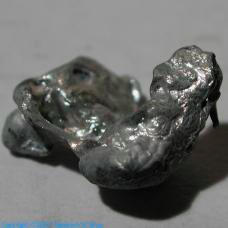
A transitional metal with a bluish-white color in its natural solid form and shiny chrome silver when melted. Lead has been used for weapons and tools for hundreds of years because of its malleability.

How am I exposed to lead?
- Inhalation
- Ingestion
- Usually occurs with prolonged or repeated exposure

Results of lead poisoning:
- Damage to internal organs
- Kidney failure
- Brain and Spinal Cord damage

Symptoms of lead poisoning:
- Fatigue
- Depression
- Abdominal pain
- Elevated blood pressure
- Reproductive problems
- Anemia

How do I come into contact with lead?
- Lead base paint (Used before 1977)
- Soil in urban areas
- Playground soil
- Drinking water
- Dust
- Leaded gasoline
- Foreign cosmetics

Treatment:
- Chelation therapy with DMSA (Dimercaptosuccinic acid)
Given every 8 hours for 12 days and then every 12 hours for the next 2 weeks.

Monday, June 16, 2008

Nickel


What is nickel?

A naturally occurring hard, silvery-white metal that is found in all soil including volcanic soil and the ocean floor; often combined with other metals to create alloys.

How am I exposed to nickel?
- Ingestion
- Inhalation
- Skin contact

What are the symptoms of exposure?
- Allergic reaction
*Skin rash
*Asthma attack
- Chronic bronchitis

What are the results of over exposure?
- Chronic bronchitis
- Impaired lung function
- May lead to cancer in lungs and nasal sinus with prolonged exposure

Poisonous Levels:
- > 0.05mg/cm3 per week

How do I come into contact with nickel?
- Food containing nickel
- Skin contact
- Soil
- Tobacco smoke containing nickel
- Bath or shower water
- Metals containing nickel
- Coins or touching jewelry containing nickel

How is nickel detected in the body?
- Urine
- Feces
- Blood

Treatment for nickel poisoning:
- Naturally secreted from body
- Chelation therapy in extreme cases

Thursday, June 12, 2008

Arsenic


What is arsenic?
Arsenic is a non-metallic element found naturally in the earth's crust. It is odorless and tasteless and in its organic form, found in natural water sources, is not poisonous to the body. However, taken in excess or in inorganic forms used industrially, it can be very poisonous to the body.

Some information about arsenic:

-Main constituent in more than 200 minerals
-Metalloid naturally occurring in the earth’s crust
-Odorless and tasteless
-Occurs in rocks, soil, water and air
-Classified as a carcinogen (substance that induces cancer)
-Volcanic activity is most significant source of natural arsenic
-Occurs in crystalline, powder, amorphous or vitreous forms
-Many names and forms depending on environment
-Inorganic arsenic from factories is most harmful

Where is arsenic found?
-Naturally occurring arsenic in ground water
-Tobacco smoke
-Burning preserved wood
-Additive in poultry and swine feed
-Use in pesticides has left large tracts of agricultural land contaminated
-Meat, poultry, dairy products and cereals
-Fruit and fruit juice, sugar and candy, fats and oils

Effects of arsenic poisoning:
-Heart arrhythmia and death associated with arsenic in ground water
-Increased risk of lung, internal organ and skin cancers
-Complications in pregnancy/Still births
-Cardiovascular disease
-Respiratory disease
-Chronic exposure (>0.75mg/m3 per year) shown to lead to black foot disease and peripheral artery disease
-Hyperkeratosis and changes in skin pigmentation

How do I rid my body of arsenic?
-Consuming garlic has been shown to help flush the body of arsenic. It will be naturally secreted through urine.
-Chelation therapy
-Water filters are a great way to keep many different heavy metals our of your body.


The Heavy Metal Screen Test is a great way to test for various metals in your body, click on the picture for more information.

Until next time,
JT

Monday, June 2, 2008

Heavy Metals in the Body

The Problem
Toxic heavy metals, such as mercury, cadmium and lead, are associated with many serious diseases and health problems.
Cancer, heart disease, cardiovascular problems, birth defects, skin disorders, nervous system related numbness, and mental and neurological disorders represent only a few of the health problems associated with toxic heavy metal poisoning.
Heavy metal poisoning can result from eating contaminated foods, drinking coffee, smoking, and even breathing the air in a polluted city. In fact there are a host of sources of toxic heavy metal poisoning.
The Sources
Aluminum - cookware, beverages in aluminum, cans, antacids, antiperspirants, bleached flour and processed cheese
Arsenic - beer, pesticides, cosmetics, tap water, fungicides, paint and table salt
Beryllium - plastics manufacturing, electronics, steel alloys and volcanic ash
Cadmium - tobacco, tap water, coffee, air pollution, seafood and auto exhaust
Lead - hair dyes, cigarette smoke, tap water, paint, auto exhaust, inks and glazes
Mercury - amalgam fillings, chlorine, seafood, fabric softener, adhesives, waxes, medications and air pollution
Copper - copper water pipes, birth control pills, swimming pools, intrauterine devices, nutritional supplements (especially prenatal vitamins)
Nickel - hydrogenated oils (margarine, commercial peanut butter and shortening)

So what can you do about this?
Find out if you are lead-toxic. One very easy test is a simple blood lead test. Be sure the lab can measure VERY low levels of lead accurately. Anything higher than 2 micrograms/deciliter is toxic and should be treated.Unfortunately, the blood test only checks for current or ongoing exposures, so you must also take a heavy metal challenge test with DMSA, EDTA, or DMPS, which can be administered by a doctor trained in heavy metal detoxification. (See http://www.functionalmedicine.org/ or http://www.acam.org/ to find a qualified doctor.)
The easiest and most convenient way to test is to use the Heavy Metal Screen Test in the comfort of your own home, you get immediate results in an easy to use format.(Consider undergoing chelation therapy if your lead levels are high.)
Reduce your exposures by having a “no shoes in the house” policy.
Test your water for heavy metals. (Heavy Metal Screen Test can be used for this also)
Buy a carbon or reverse osmosis water filter for your drinking water.
Take 1,000 milligrams of buffered ascorbic acid (vitamin C) a day, this helps remove lead from the body.
Take 2,000 to 4,000 IU of vitamin D3 a day to prevent your bones from releasing lead into your bloodstream.
Using a product called Natural Cellular Defense, daily is way to remove metals and other toxins that may be present. Click on the Waiora link for further details.
Even though many of us have toxic levels of lead in our bodies, there is a lot we can do to prevent it and treat it.

Until next time,
JT

Tuesday, May 20, 2008

Heavy Metal Screen Test


World's first immediate method of screening heavy metals.
Easy to do.
Quick and reliable results (2 tests per kit)
Scientifically approved.
Tests your drinking water, urine, saliva, and other aqueous solutions, dust, paint, and food.

The scientifically documented Heavy Metal Test (Screen) allows the detection of free electrically active heavy-metal ions in any aqueous solution such as drinking water, urine, and saliva, by means of a simple single-use procedure and in just a few minutes. It is easy to conduct and the results are not only quickly obtained but also provide a dramatic and convincing demonstration of the product. The test is recommended for anyone who is concerned about the level of metals in their body or currently considering using a celation or detox product such as Natural Cellular Defense by Waiora. This is one of the most effective, scientific ways to have information to document a products effectiveness from baseline to end result .

This is a must have for Waiora distributors!

Click on photo for details or to make a purchase.